
Providing Global Talent Solutions in Agriculture and Food
| Search jobs! |
 Advanced Search
|
Overview
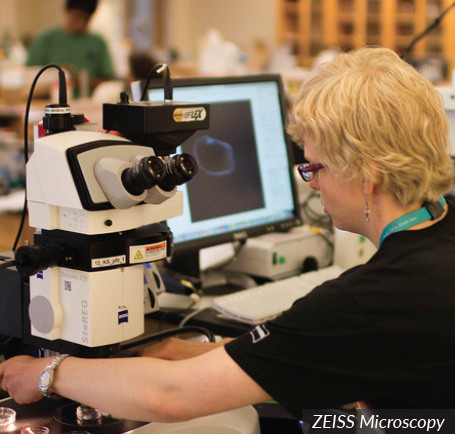
An embryologist provides reproductive services and research in the areas of embryo creation, IVF (in vitro fertilization), cloning, and transgenic animal production.
What responsibilities will I have?
What education and training is required?
A bachelor’s or master’s degree in animal reproduction, animal science or biology is required to become an embryologist.
To pursue a career as an Embryologist:
The following high school courses are recommended: agricultural education, biology, anatomy, animal science, computer courses, and mathematics.
Where can I work?
Animal embryologists typically work for research firms and universities. They may also work for large-scale animal health or production companies.
Future Job Market / Outlook
The future outlook for an embryologist will be good over the next five years.
Suggested Professional Organizations and Associations